The Zaboliyan Calendar · Zaboliyan

PATENT PENDING

THE ZABOLIYAN CALENDAR

The true time of the universe.

Counted, never corrected.


The first Zaboliyan year begins

000Days
00Hours
00Minutes
00Seconds

Z 027 · Day 1 · the December solstice

WHY

We would never build on a guess.

We would not engineer a bridge or perform surgery by approximation. Yet for thousands of years we have kept time that way: leap days, leap seconds, calendars reset by decree. The Zaboliyan Calendar keeps one unbroken count, aligned with the Sun, that never needs correcting.

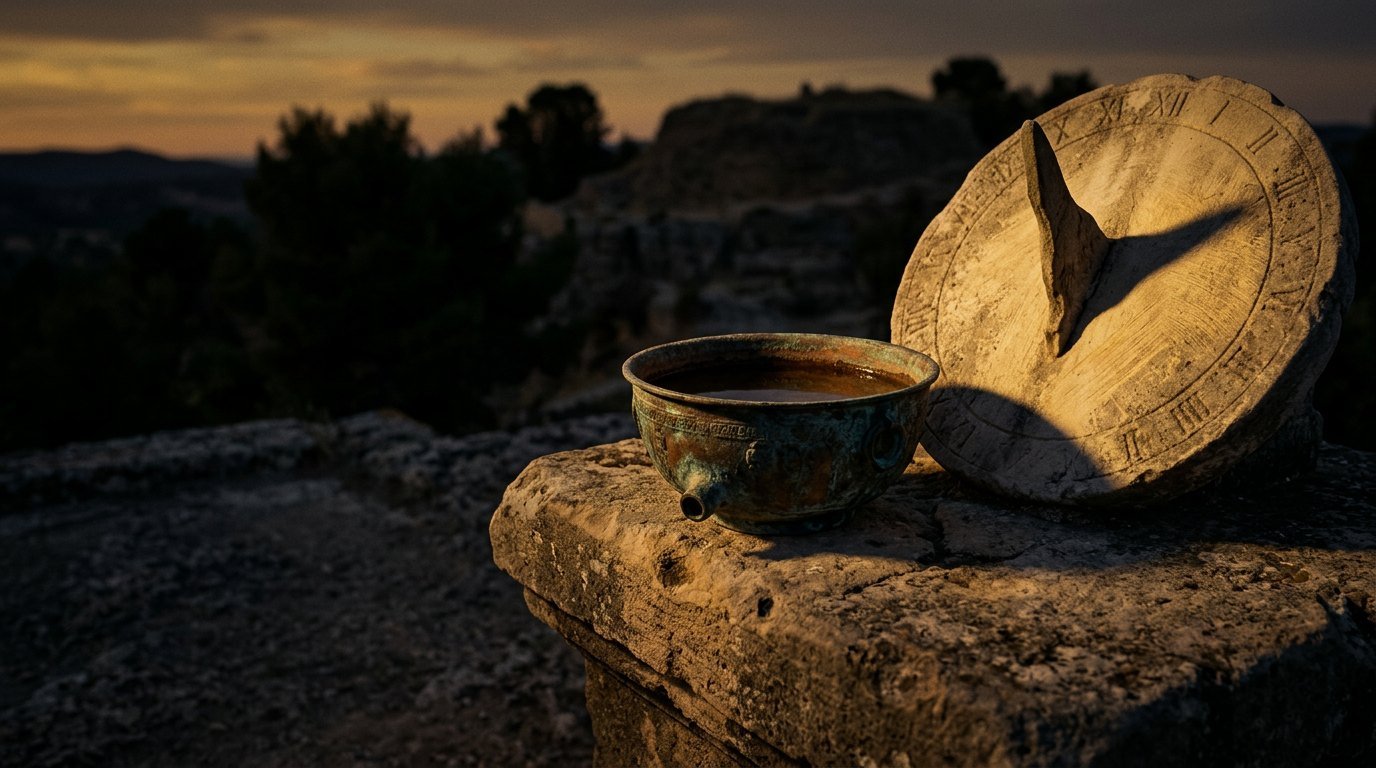
An ancient sundial and a bronze water vessel on a stone ledge at dusk

THE STORY

From shadows to the stars.

Humanity first read time from shadows and falling water. Every age since has built a better instrument, then patched the calendar to fit. The Zaboliyan Calendar is the next step: time counted from the age of the universe itself.

  1. c. 1500 BCE

    Sundials and water clocks in ancient Egypt read time from shadow and flow.

  2. 45 BCE

    The Julian calendar sets a 365.25 day year. It drifts about 78 days every 10,000 years.

  3. 1300s

    Mechanical clocks ring the hours in European towers.

  4. 1582

    The Gregorian calendar corrects the drift by decree. It still drifts about 3 days every 10,000 years.

  5. 1656

    Christiaan Huygens builds the pendulum clock.

  6. 1761

    John Harrison's marine chronometer finds longitude at sea.

  7. 1967

    The second is redefined by the caesium atom, independent of the Earth.

  8. 1972 to 2016

    27 leap seconds are added to keep clocks in step with a slowing Earth.

  9. 2022

    The world's measurement body votes to end leap seconds by 2035.

  10. 2026

    The Zaboliyan Calendar: one count from the age of the universe, aligned with the Sun, never corrected.
HOW IT READS

Z 027 · Day 1 · 06:58

One count.

An unbroken count from a fixed anchor based on the age of the universe, 13.787 billion years.

Set by the Sun.

Each year begins on the day of the December solstice, Earth's turning point. 365 or 366 days, no leap rule.

Read beside your own time.

Your civil date and clock stay exactly as they are. Weekdays stay Monday to Sunday.

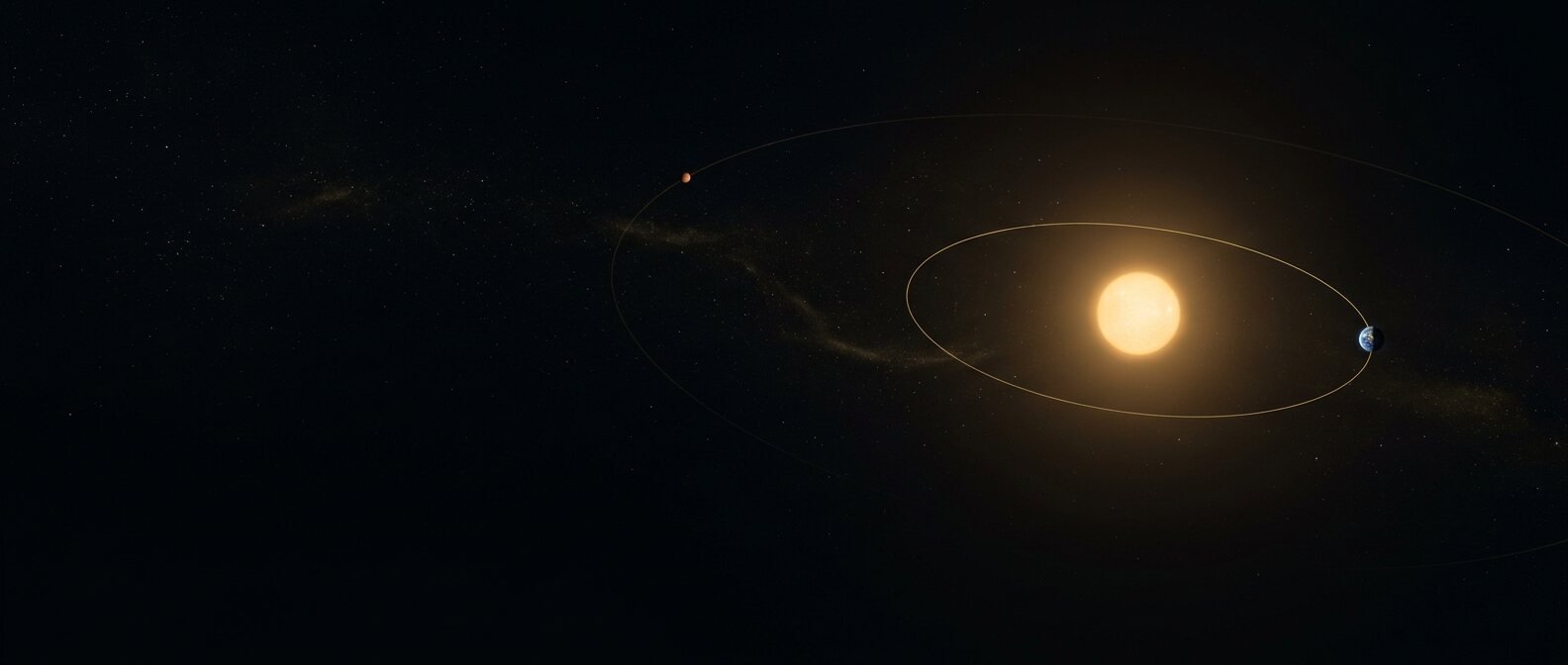
Every day begins at the same instant worldwide: noon on the solar system's own clock.

THE SCIENCE

Time is not the same everywhere.

Gravity slows time. Clocks on Earth run slower than the solar system's own clock by about half a second a year, and your phone is already about a minute and a half behind it. The Zaboliyan Calendar keeps time on the deeper clock, so the count stays true.

The second.

Since 1967 the second is 9,192,631,770 oscillations of the caesium 133 atom. It does not depend on the Earth's spin.

Relativity.

Gravity and motion change the rate of clocks. GPS satellites correct for this by about 38 microseconds a day.

The solar system's clock.

The International Astronomical Union defines a time scale for the whole solar system, used for deep space navigation. Earth clocks run slower than it by 1.55 parts in 100 million, about 0.49 seconds a year.

Leap seconds.

27 were added to civil time between 1972 and 2016. Atomic time now leads civil time by 37 seconds. They are set to end by 2035.

The seasons.

The Gregorian year averages 365.2425 days; the year of the seasons is about 365.2422. The Zaboliyan year is set by the Sun itself, so it never drifts against the seasons.

The anchor.

The universe is 13.787 ± 0.020 billion years old (Planck 2018). The calendar uses a fixed anchor defined from that figure, like the metre: a definition that never moves.

PUBLISHED WORK

The paper.

Worldwide Timekeeping and Calendar Dating from a Continuous Coordinate-Time Count with Ephemeris-Derived Year Boundaries

Zavosh Zaboliyan · Zenodo · 16 November 2026
DOI 10.5281/zenodo.24285786


Patent pending.


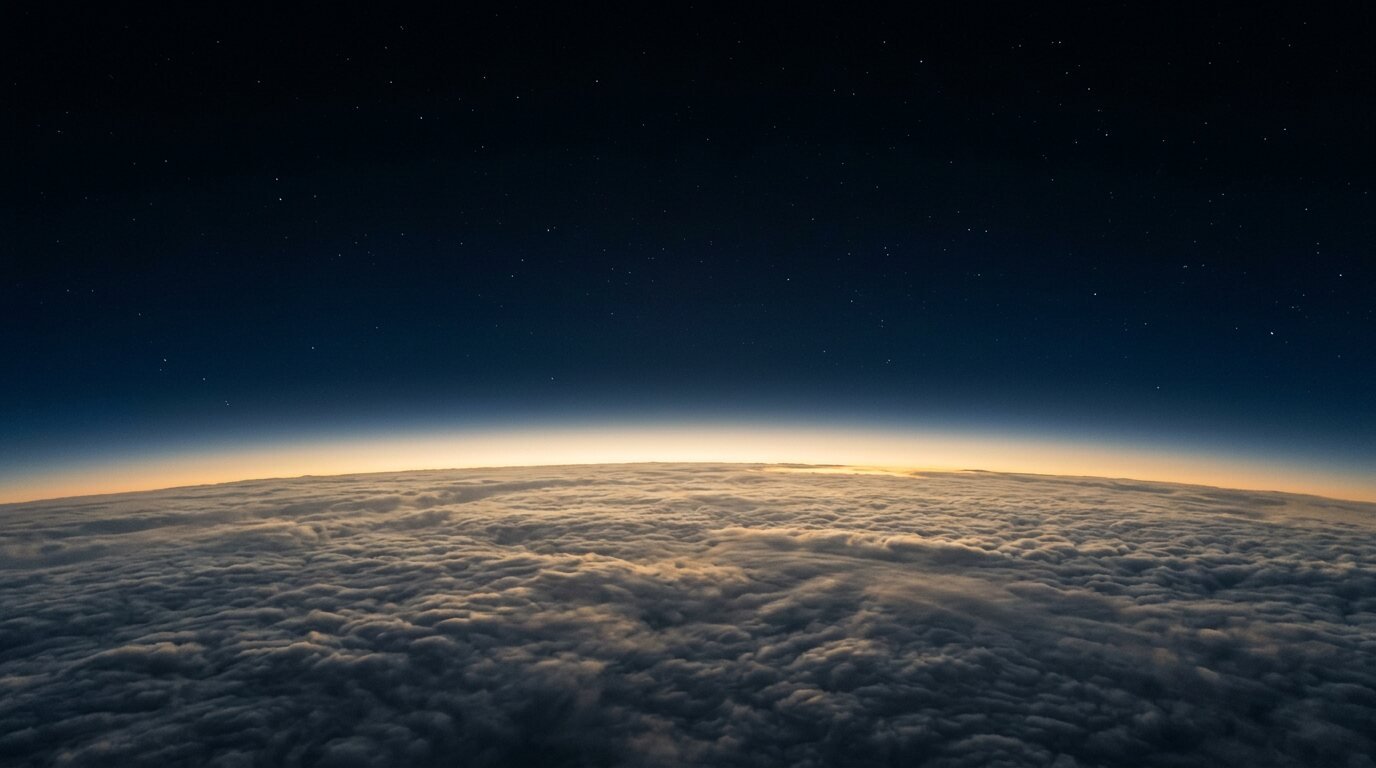
A gold line of light along Earth's horizon

Light returns.


The house of time, light and legacy.

© Zaboliyan · zaboliyan.com

Patent pending. The Zaboliyan Calendar method, the Z-Time count and all related systems are protected by pending patent rights. © 2026 Zavosh Zaboliyan. All rights reserved. The Zaboliyan Calendar name, text, graphics and design may not be copied, reproduced, adapted or used commercially without prior written permission. The published paper is shared under its stated open-access licence; that licence grants no rights under any patent.